



⚡ Key Takeaways
- Average UK wedding costs are rising toward £25,000 and beyond in 2025 due to inflation and increased demand for unique experiences.
- Use free or low-cost digital planning tools and apps instead of hiring expensive wedding planners to manage your budget and timeline.
- Reduce guest numbers to create a more intimate celebration while significantly cutting costs on catering and venue expenses.
- Book your wedding during off-peak seasons like winter when venues and vendors typically offer lower prices.
- Consider mobile street food catering instead of traditional catering services to save money while offering diverse international cuisine that impresses your guests.
Hey Beautiful Brides-to-Be of 2026,
Congratulations on your engagement! Planning your dream 2026 wedding can feel like walking a tightrope between magic and money. The good news? You don’t have to sacrifice one for the other. With thoughtful decisions and a few modern trends on your side, you can create a celebration that feels luxurious—without the overwhelming price tag.
What Does a Wedding Really Cost Today?
Before diving into savings, it helps to understand the numbers. Recent data from Hitched UK and Charlotte Burn Photography show that the average UK wedding now costs around £21,990, with typical ranges between £21,000–£25,000 depending on guest count and choices.
Here’s a simplified breakdown of where that budget usually goes:
- Venue: £5,000–£8,000 (25–30%)
- Catering: £4,000–£5,400 (20–25%)
- Photography: ~£1,500
- Décor & styling: varies widely
- Entertainment & extras: flexible
The biggest cost drivers? Guest count, venue type, and catering style.
Smart Ways to Save Without Compromising Style

1. Plan Digitally, Spend Intentionally
Wedding planning apps and budget trackers can replace expensive coordinators. They keep everything organized—from timelines to payments—so you stay in control.
2. Use Inspiration Strategically
Browse platforms like Pinterest for ideas, but tailor them to your budget. Recreate looks with DIY elements or simpler materials—often, the result feels even more personal.
3. Trim the Guest List Thoughtfully
Smaller weddings are one of the biggest cost-saving moves. Fewer guests mean lower catering, seating, and venue expenses—while creating a more intimate experience.
4. Explore Off-Peak & Alternative Venues
Weekdays, winter months, and outdoor venues like gardens or beaches can dramatically reduce costs. Many couples are now opting for backyard weddings, parks, or countryside settings for both affordability and charm.
5. Prioritize What Truly Matters
Decide your non-negotiables—whether it’s food, music, or photography—and scale back on the rest. A focused budget creates a more intentional (and often more elegant) celebration.
Why Food Trucks Are Trending at Weddings
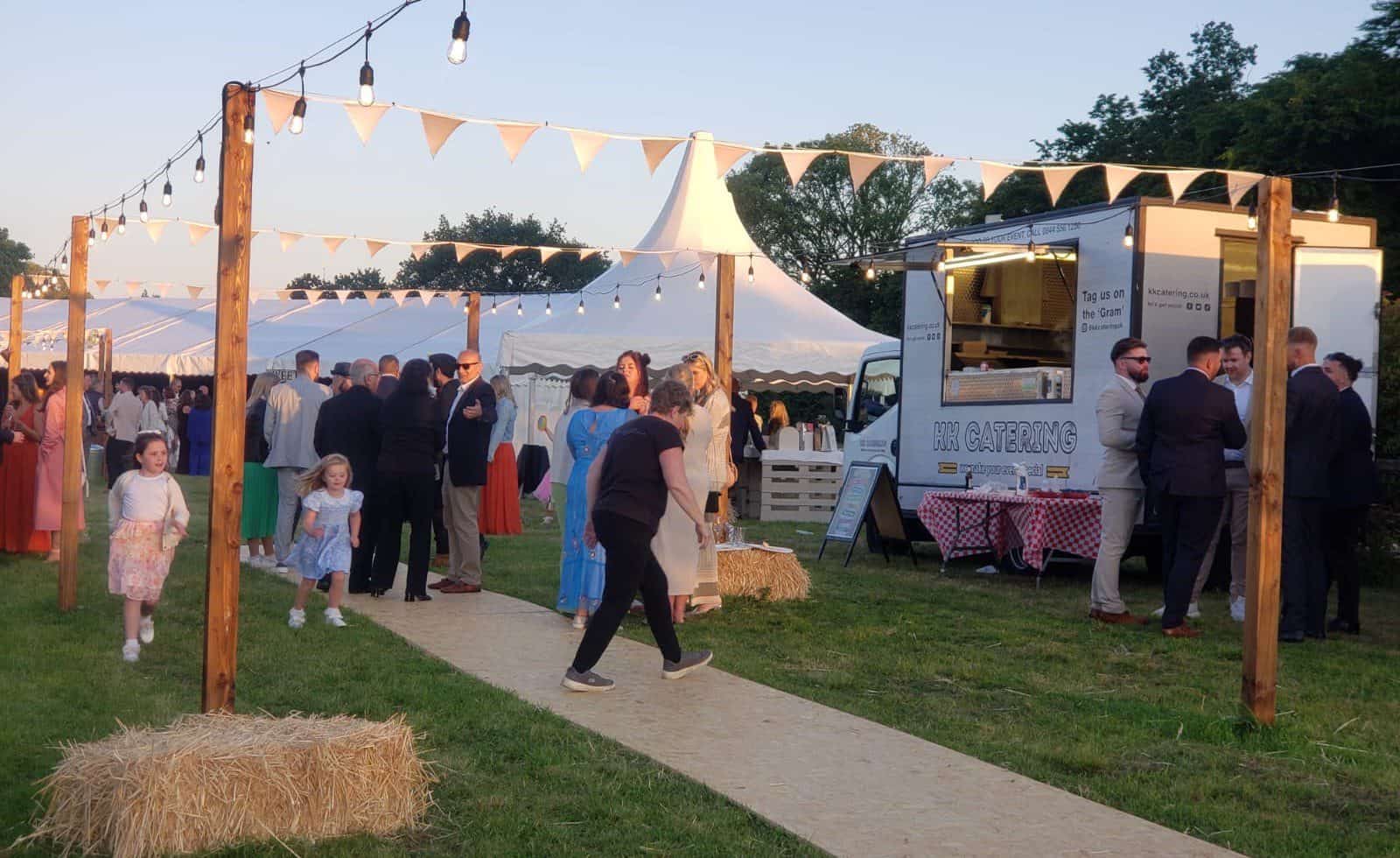
One of the biggest shifts in modern weddings is the rise of food trucks and mobile catering. Couples are moving away from rigid sit-down dinners and embracing more relaxed, interactive dining experiences.
Food trucks are trending because they:
- Cost significantly less than traditional plated catering
- Offer diverse, customizable menus
- Create a fun, festival-like atmosphere
- Reduce staffing and service fees
This trend aligns perfectly with couples who want a unique experience without the premium price tag.
KK Catering: A Smarter, Budget-Friendly Alternative
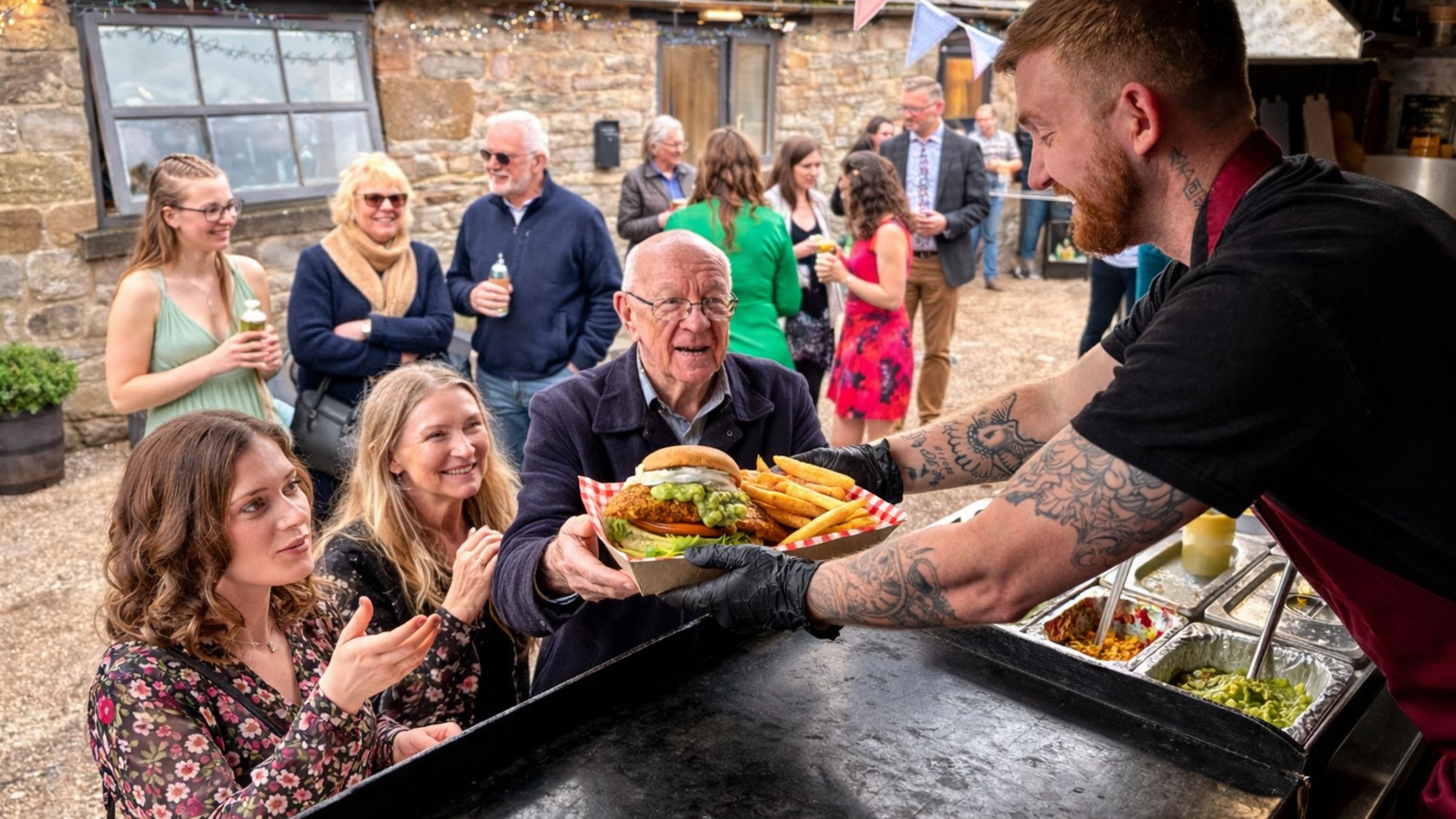
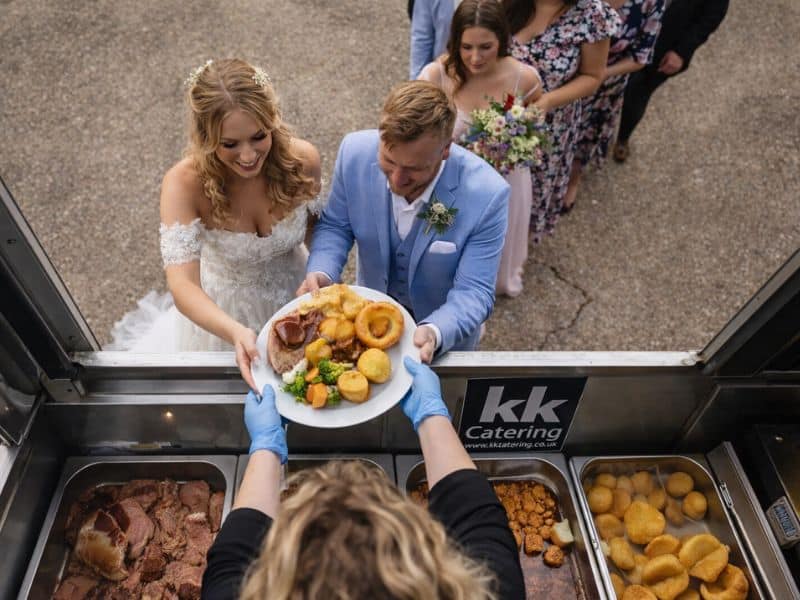
Mobile catering options like KK Catering are becoming a go-to solution for couples who want both quality and savings. Instead of paying for full-service venue catering packages, mobile setups allow you to pay primarily for the food itself, cutting down on overhead costs like staffing, rentals, and service charges. KK Catering, in particular, brings an international street food concept that adds variety and excitement to your wedding menu. Guests can enjoy flavorful, freshly prepared dishes in a relaxed setting—making the experience feel more like a curated food festival than a standard reception.
Beyond cost savings, this approach also simplifies logistics. With fewer formalities and more flexibility, couples can allocate their budget toward other priorities—like décor, photography, or entertainment.
Real Wedding Wins: Budget but Beautiful
– The Garden Wedding Glow-Up: One couple hosted their reception in a family backyard, borrowing furniture and DIY-ing décor. The result? A warm, intimate celebration that felt personal and elegant—at a fraction of the typical cost.
– The Micro-Wedding Upgrade: Another pair cut their guest list in half and reinvested the savings into premium food and photography. Fewer guests, but a more luxurious experience overall.
These stories highlight a key truth: it’s not about how much you spend—it’s how you spend it.
Your Simple Wedding Budget Calculator
Use this quick guide to prioritize your spending:
Step 1: Set your total budget
Step 2: Choose your top 3 priorities (e.g., food, venue, photos)
Step 3: Allocate ~60–70% of your budget to these priorities
Step 4: Distribute the remaining 30–40% across everything else
Step 5: Look for flexible areas to cut (guest count, décor, extras) This approach keeps your budget aligned with what matters most to you.
A beautiful wedding doesn’t have to come with financial stress. By embracing modern trends like smaller guest lists, outdoor venues, and mobile catering, you can design a day that feels both meaningful and elevated.
At the end of it all, your wedding isn’t defined by how much you spend—but by the memories you create. Keep it intentional, keep it personal, and most importantly, make it yours.
If you’re planning a wedding and considering catering options, we’d love to help make your day unforgettable. Get in touch with us today, and our team will be glad to assist you with a tailored, stress-free catering experience.